

The State of Defense AI Hiring in 2026
Why the race to build mission-ready AI is reshaping how defense technology companies hire engineers.
Defense AI Has Entered a New Era
A few years ago, conversations around artificial intelligence in defence largely focused on potential. Today, the conversation is very different.
The question is no longer whether AI will play a role in national security. It's how quickly organisations can deploy reliable, mission-ready systems into real-world operations.
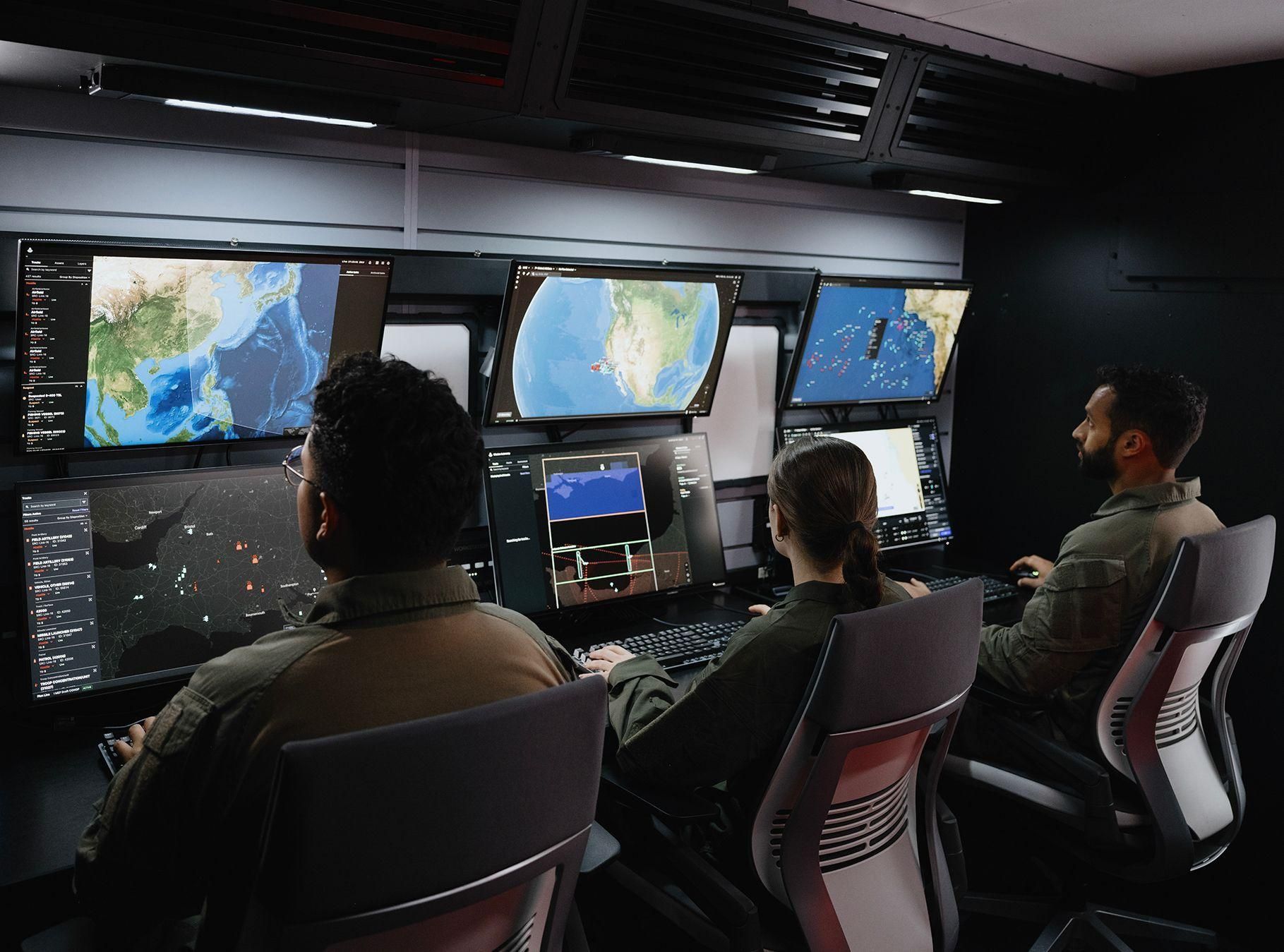
Across the U.S. defence, intelligence and government technology ecosystem, investment in AI continues to accelerate. Venture-backed defence startups are scaling rapidly, established contractors are modernising legacy systems, and government agencies are looking for technologies that can move from prototype to deployment faster than ever before.
As a result, the hiring market has fundamentally changed.
Companies aren't simply looking for software engineers anymore—they're looking for engineers who can build, deploy and support AI systems in environments where reliability, security and performance matter most.
From Research to Production
One of the biggest shifts we've seen over the past 18 months is the move from AI experimentation to production deployment.
Many organisations have already proven that large language models, computer vision and autonomous systems can solve complex operational challenges. The next challenge is scaling those capabilities securely across mission-critical environments.
That means hiring engineers who understand far more than machine learning.
Today's most sought-after candidates combine expertise in areas such as:
- AI infrastructure
- Distributed systems
- Kubernetes
- Cloud-native platforms
- DevSecOps
- Machine learning
- Computer vision
- Backend Python engineering
- Platform engineering
- MLOps
The demand for engineers who can bridge these disciplines has never been higher.
Security Clearance Is Becoming a Competitive Advantage
For organisations operating within defence and national security, technical ability alone is no longer enough.
Many of the most exciting AI programmes require engineers who can work in classified environments, collaborate with government stakeholders and deploy software into secure networks.
As a result, professionals holding Secret, TS/SCI or higher-level clearances continue to be among the most in-demand engineers in the industry.
The challenge is that the supply of experienced, security-cleared engineers has never kept pace with demand.
Companies that build long-term relationships with cleared talent—and move quickly through their hiring process—are increasingly finding themselves at a significant advantage.
The Rise of the Forward Deployed Engineer
Perhaps no role better reflects the changing nature of Defence AI than the Forward Deployed Engineer.
Rather than building software in isolation, these engineers work directly alongside end users to understand operational challenges, integrate AI into existing workflows and continuously improve deployed systems.
The role combines software engineering, customer engagement and mission understanding in a way that barely existed a few years ago.
As more defence organisations deploy AI into operational environments, demand for Forward Deployed Engineers continues to grow.
Startups Are Hiring Differently
Another noticeable trend is how venture-backed defence technology companies approach hiring.
Instead of recruiting highly specialised individuals for narrowly defined roles, many founders are prioritising engineers who can solve problems across multiple domains.
The ideal candidate today might write backend services in the morning, deploy infrastructure after lunch and troubleshoot customer environments before the end of the day.
Adaptability has become one of the most valuable skills in modern engineering teams.
The Biggest Hiring Challenges
Despite significant investment across the sector, several hiring challenges remain consistent.
The first is competition.
Elite engineers with experience in AI, distributed systems and national security are being approached constantly.
The second is speed.
The strongest candidates rarely remain available for long, yet hiring processes can still take weeks—or even months—to complete.
The third challenge is finding people with the right combination of technical expertise and mission understanding.
The best engineers don't simply build software. They understand why that software matters.
What This Means for Engineers
For engineers considering their next move, there has rarely been a more exciting time to work in defence technology.
Organisations are tackling problems at the intersection of artificial intelligence, autonomous systems, cybersecurity, cloud infrastructure and national security.
The opportunity to work on meaningful, technically complex programmes has never been greater.
Engineers with experience in AI infrastructure, machine learning, platform engineering, DevSecOps or cloud-native software are particularly well positioned as demand continues to grow.
Looking Ahead
The pace of innovation within Defence AI shows no signs of slowing.
Over the coming years, we expect continued investment in autonomous systems, agentic AI, mission software and secure
AI infrastructure, alongside increasing demand for engineers capable of deploying these technologies at scale.
While the technology will continue to evolve, one thing is already clear:
The organisations that succeed won't simply be those with the best ideas.
They'll be the ones that attract, hire and retain exceptional engineering talent.
About Axis Talent
At Axis Talent, we specialise in recruiting exceptional engineering talent for defence technology, national security and government innovation companies.
Our focus spans AI infrastructure, machine learning, platform engineering, DevSecOps, computer vision, Forward Deployed Engineering and security-cleared software engineering across the U.S. defence ecosystem.
Whether you're building your first engineering team after funding or scaling AI capabilities across mission-critical programmes, we're always happy to share insight into the market—and connect organisations with the people shaping the future of defence technology